History of Na’in
Na’in, one of Iran’s oldest cities, has a history that stretches back thousands of years, serving as an important center for trade, culture, and religion in central Iran. The city has preserved much of its traditional urban layout and architecture, offering a glimpse into the life and culture of ancient Persia. Its historic significance is reflected in centuries-old mosques, bazaars, caravanserais, and mud-brick houses, making Na’in a living testimony of Persian heritage.
Cultural and Historical Attractions
Na’in is home to the magnificent Jameh Mosque, a masterpiece of early Islamic architecture with intricate stucco work and a stunning prayer hall. The city also boasts traditional windcatchers, old caravanserais, historic water reservoirs, and a charming old town with narrow alleys and mud-brick houses. These sites reveal the ingenuity of Persian architecture and the city’s enduring cultural traditions.
Natural Surroundings and Tourism
The surrounding deserts and mountains provide visitors with unique natural experiences. The nearby Maranjab Desert and sand dunes offer opportunities for camel rides, desert trekking, and stargazing, while the mountains surrounding Na’in provide scenic hiking trails and panoramic views. Combining historical significance with natural beauty, Na’in is a captivating destination for those seeking both culture and adventure in central Iran.
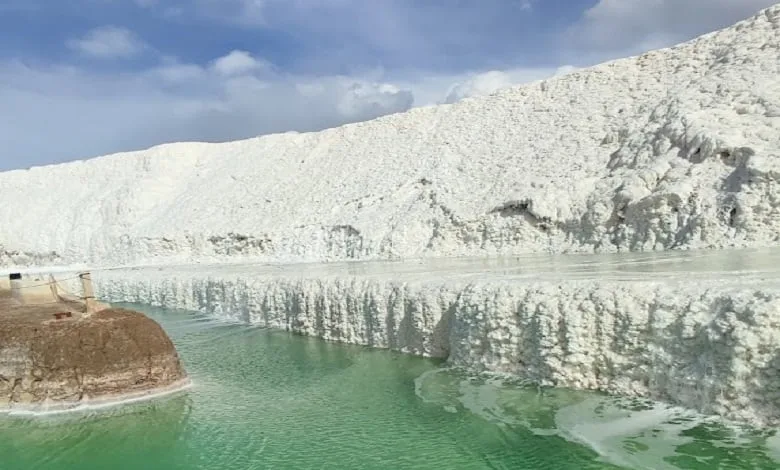
The Garmeh Salt Lake, located in Iran, is a stunning natural attraction known for its vast, white salt flats that stretch to the horizon. The lake’s reflective surface creates breathtaking landscapes, especially during sunrise and sunset, making it a favorite spot for photographers and nature lovers. Surrounded by desert terrain and mountains, Garmeh Salt Lake offers a unique environment for hiking, sightseeing, and experiencing the serene beauty of Iran’s salt deserts. Its striking scenery and peaceful atmosphere make it a memorable destination for travelers seeking both adventure and tranquility.
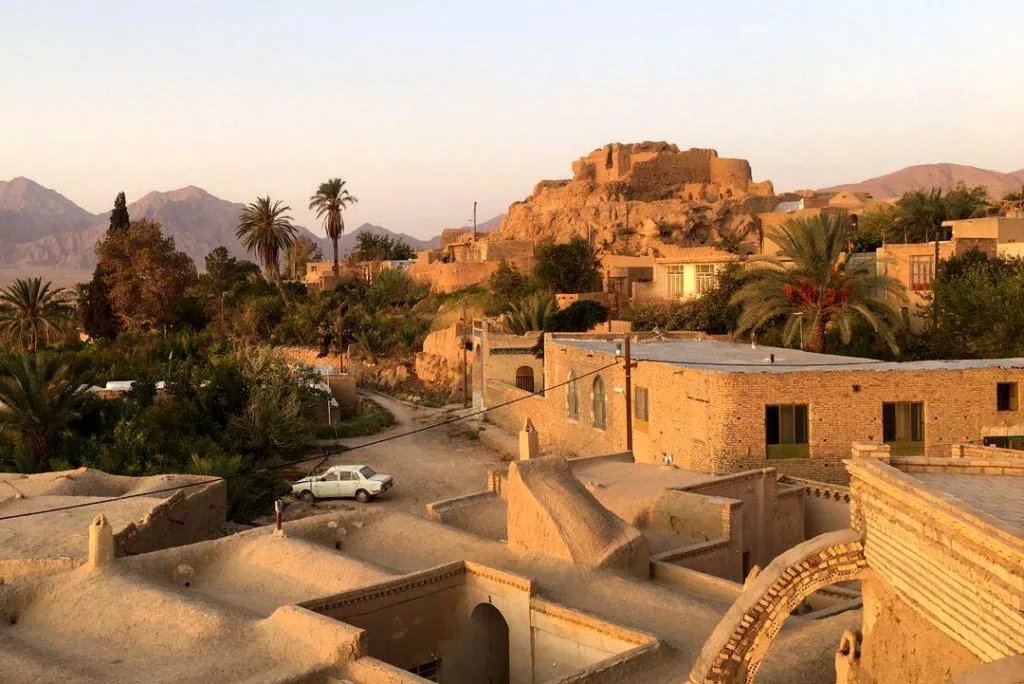
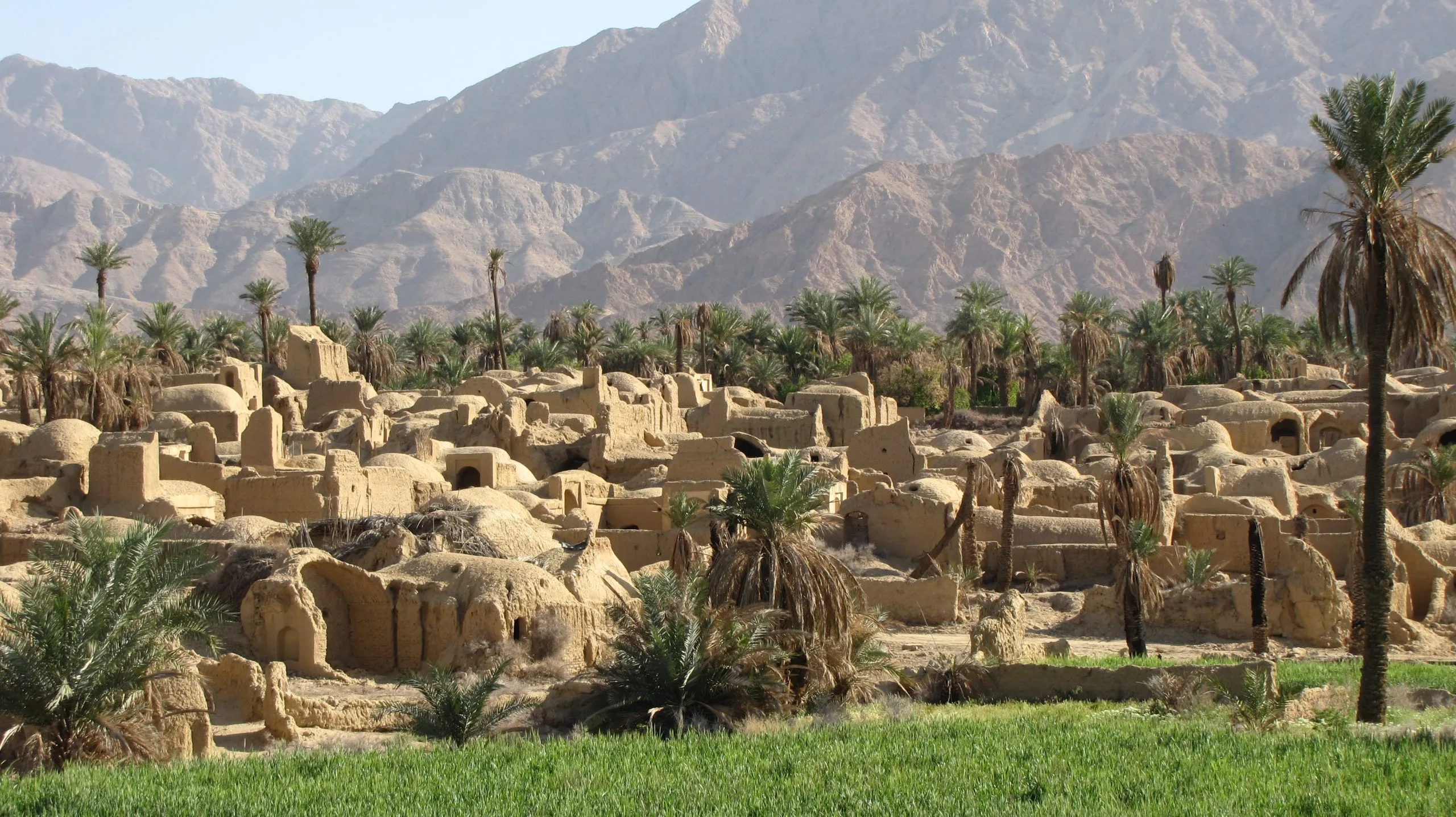
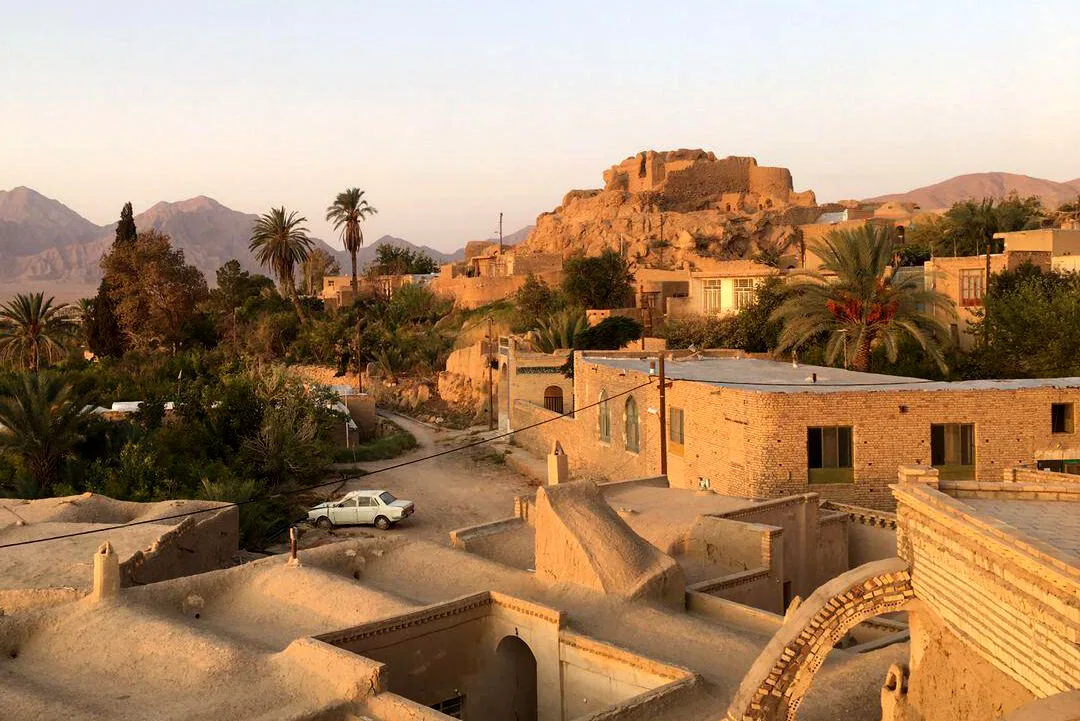
Esfehak is a charming desert village near Na’in in Isfahan Province, Iran, known for its traditional mud-brick houses, narrow alleys, and sloped rooftops. Surrounded by mountains and open plains, the village offers a peaceful atmosphere and scenic views, allowing visitors to experience the authentic lifestyle, culture, and architecture of central Iran’s desert communities. Its proximity to attractions like Na’in and the Garmeh Salt Lake makes Esfehak an ideal destination for travelers seeking a blend of history, culture, and natural beauty.
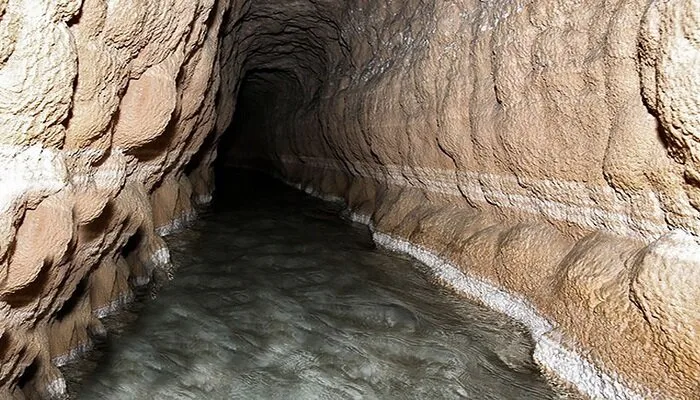
A qanat is an ancient underground water channel developed in Iran to transport water from aquifers or springs in the mountains to arid plains and settlements. This ingenious system, consisting of gently sloping tunnels and vertical shafts, allows water to flow naturally over long distances without the need for pumping. Qanats have been crucial for agriculture, drinking water, and sustaining communities in desert regions for thousands of years, showcasing the ingenuity and engineering skill of ancient Persian civilizations.
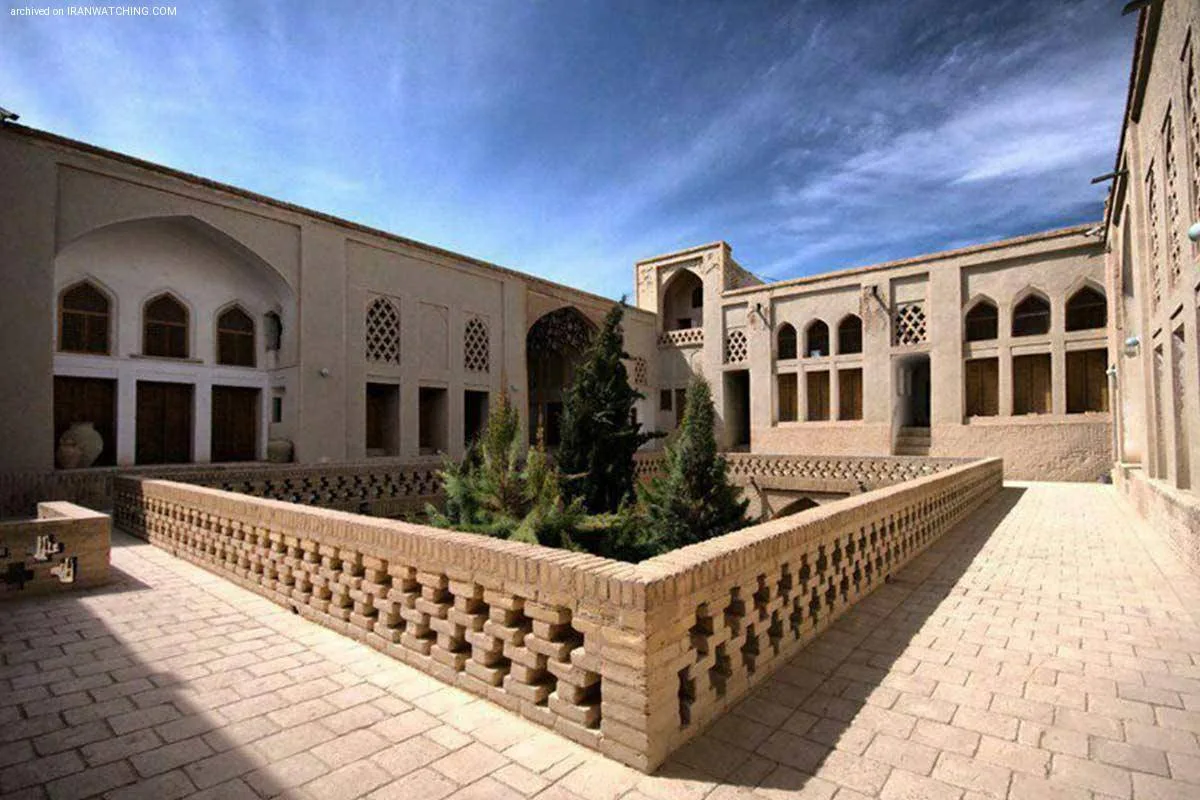
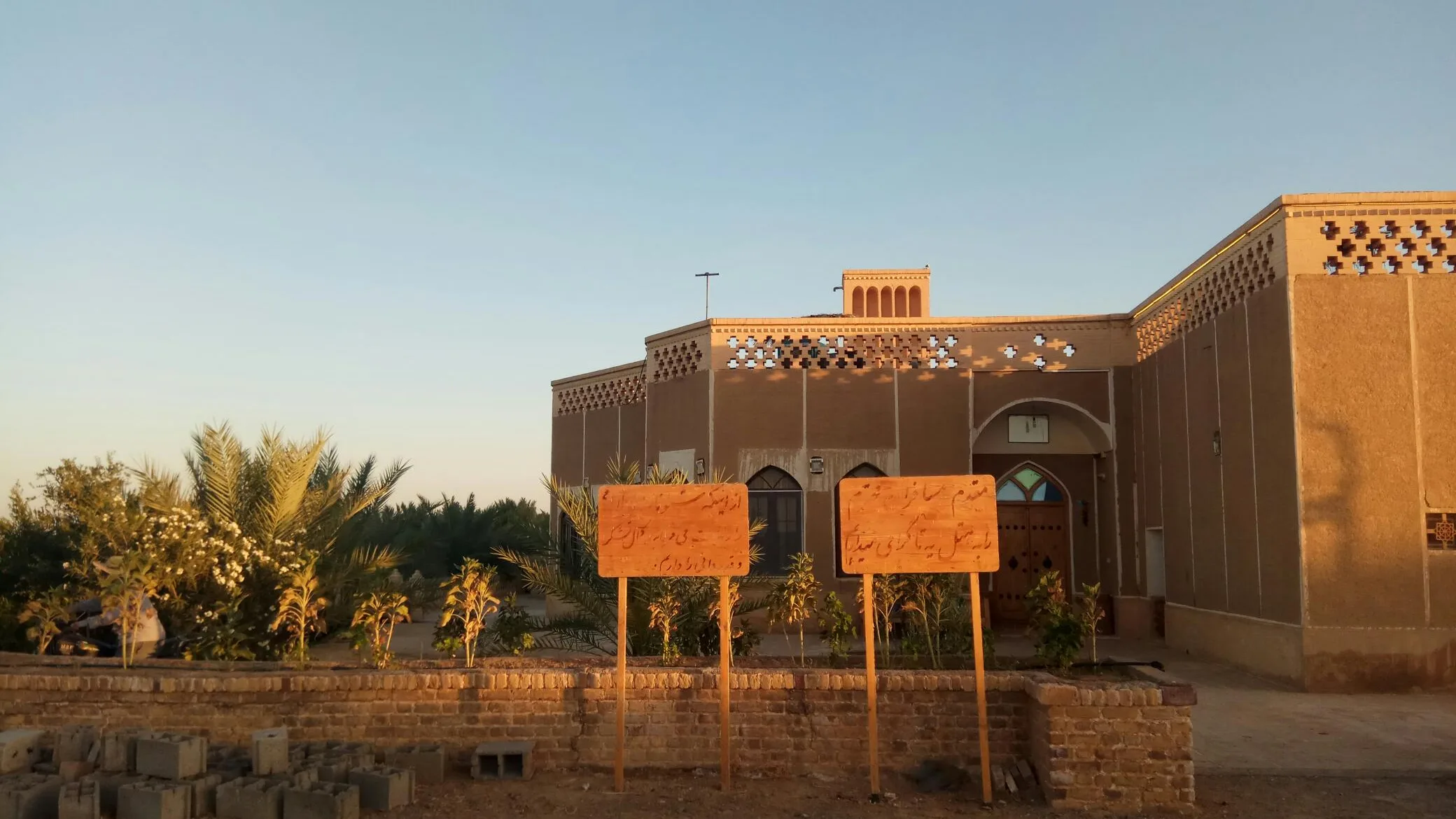
The Pirnia House in Na’in is a historic and traditional residence that reflects the unique architectural style of central Iran’s desert towns. Built with mud-brick and adobe, the house features courtyards, windcatchers, and narrow passageways designed for natural cooling and ventilation in the arid climate. Its simple yet elegant design, with traditional Persian elements, offers a glimpse into the lifestyle, culture, and craftsmanship of the people of Na’in, making it an important cultural and historical landmark in the region.
The Jameh Mosque of Na’in is one of Iran’s oldest and most significant mosques, dating back to the 10th century during the early Islamic period. Built primarily with mud-brick and adobe, the mosque features a spacious prayer hall, intricate stucco decorations, and a beautifully designed mihrab that exemplifies early Persian-Islamic architectural style. Known for its simplicity, harmony, and historical value, the mosque also includes a courtyard and traditional arcades, reflecting the architectural ingenuity of desert towns. As a well-preserved monument, it remains an important religious, cultural, and historical landmark in Na’in.
Farahzad Desert, located near central Iran, is a stunning desert area known for its vast sand dunes, arid plains, and unique desert landscapes. The desert offers opportunities for hiking, off-road adventures, and photography, especially during sunrise and sunset when the dunes are bathed in golden light. Farahzad Desert also provides a serene and tranquil environment, allowing visitors to experience the quiet beauty of Iran’s desert regions and observe traditional desert life and natural formations.
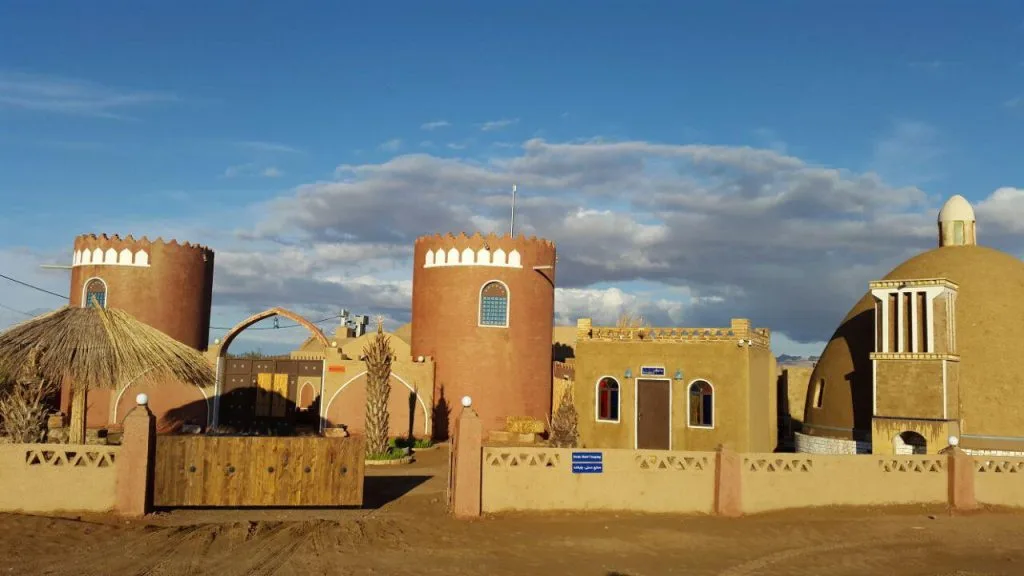
Garmeh is a picturesque village located in central Iran, known for its traditional architecture, scenic surroundings, and proximity to natural attractions like the Garmeh Salt Lake. The village features mud-brick houses, narrow alleys, and courtyards that reflect the desert-adapted lifestyle of its residents. Surrounded by mountains and desert landscapes, Garmeh offers visitors a peaceful atmosphere and opportunities for exploring both cultural heritage and the unique natural beauty of the region, making it a charming destination for travelers.
The Mesr Desert, located in central Iran near the town of Isfahan, is one of the country’s most famous desert destinations. Known for its vast sand dunes, rolling plains, and striking desert landscapes, Mesr offers a perfect setting for adventure activities such as camel trekking, sandboarding, and desert camping. The area is especially popular for sunrise and sunset views, when the dunes glow in golden hues, creating a breathtaking natural spectacle. With its serene atmosphere and authentic desert experience, Mesr Desert attracts travelers seeking both adventure and tranquility in Iran’s central deserts.