The plant blooms only once a year and requires meticulous manual harvesting because of its fragility. Saffron is known as “red gold” because producing just one ounce of pure saffron requires extensive labour. Each blossom yields only three threads, which must be carefully dried.
There is a reason why Iranian saffron is regarded as the best saffron on the market and why more than 90% of the world’s saffron is produced there. When buying Iranian saffron, you should exercise caution to avoid purchasing fake saffron and ensure the source is reliable. Saffron is available in many countries, including Afghanistan, Kashmir, Spain, Greece, and Iran, but its quality varies significantly.
In this article, we provide you with valuable information about Iranian saffron—its features, benefits, and the ways to distinguish original saffron from fake.
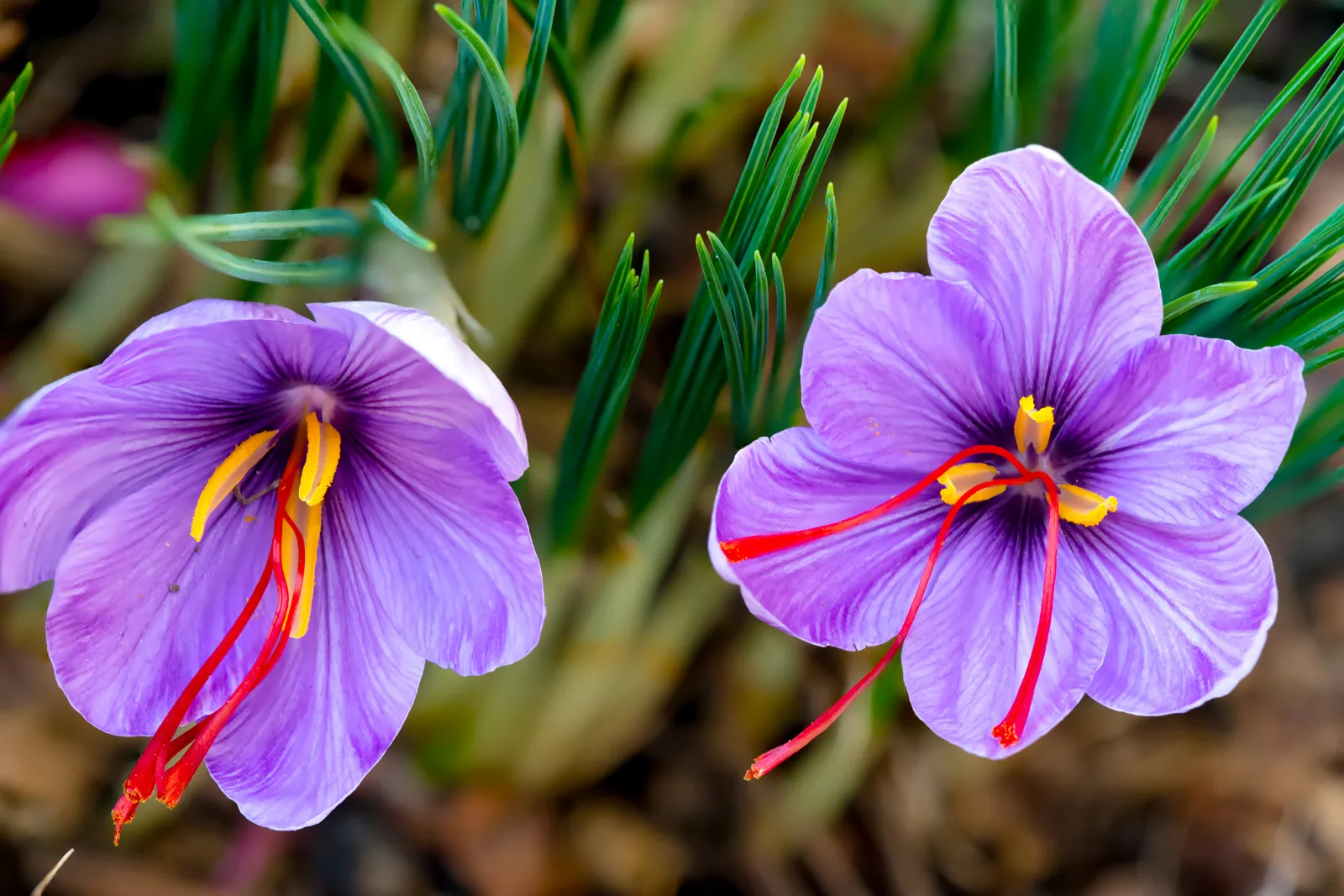
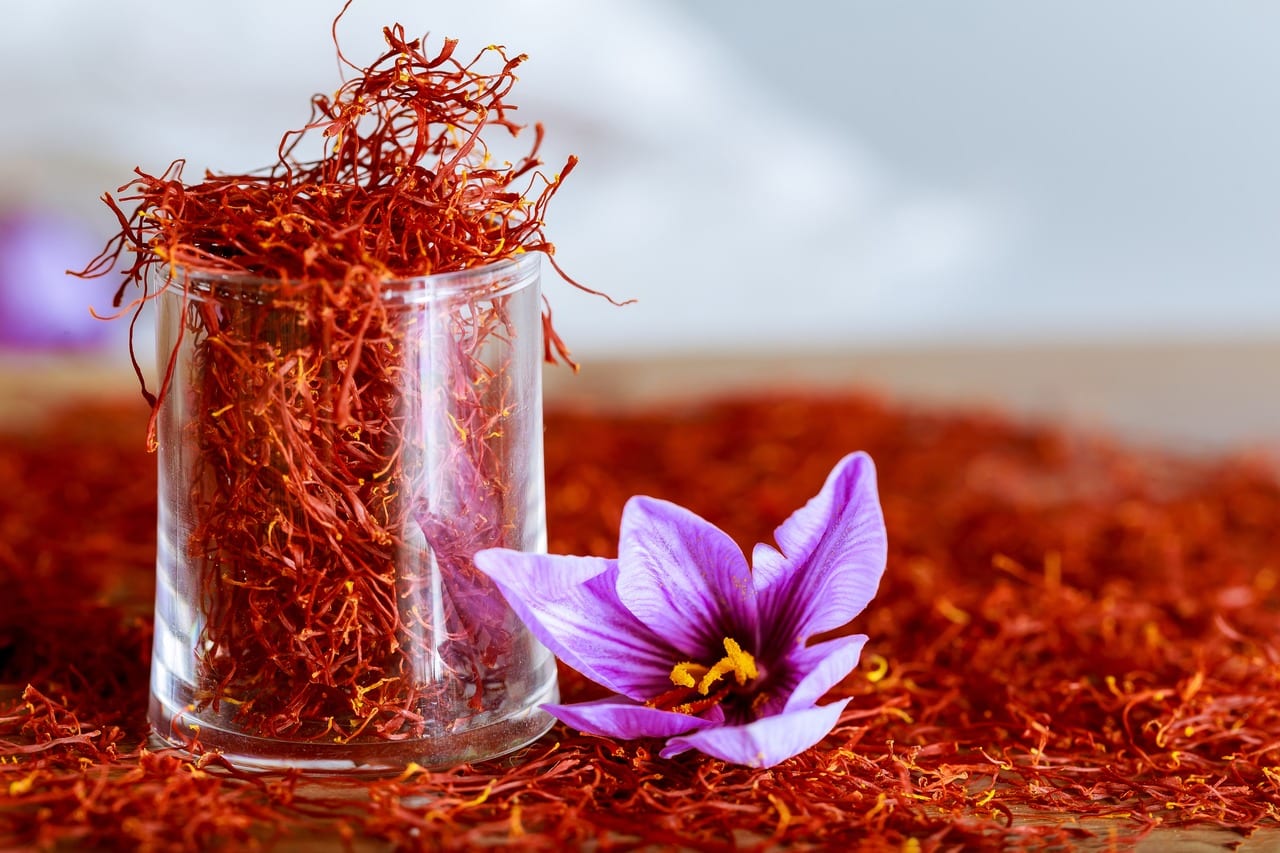
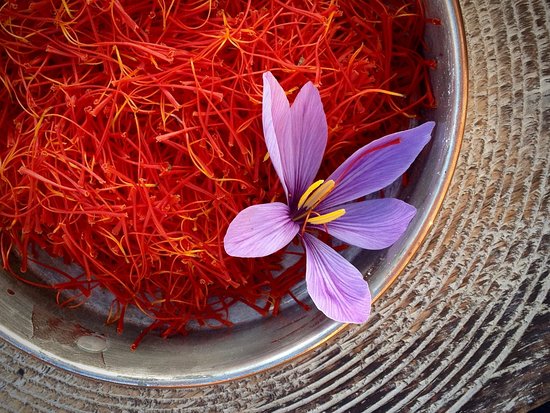
The perennial Crocus sativus, popularly known as the saffron crocus, has a stalk covered with six purple blooms and three scarlet stigmas. The spice gets its name from the crimson stigmas of the saffron flower. Due to the intricate harvesting process, saffron is the most expensive spice in the world.
The best saffron found worldwide is frequently said to come from Iran. Iranian saffron, often referred to as “red gold,” is an essential ingredient in Persian cuisine, used in everything from savoury dishes and vibrant desserts to medicinal and spiritual remedies. The precious spice has long been in great demand and even provoked a conflict in central Europe in 1374.
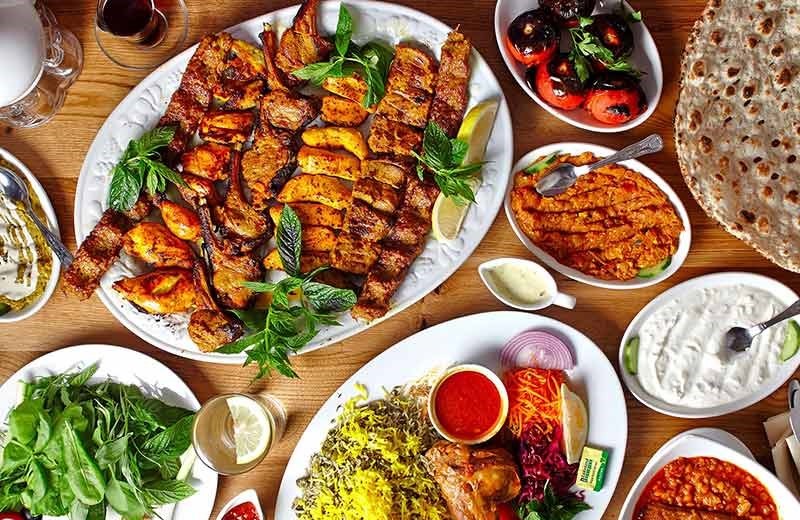
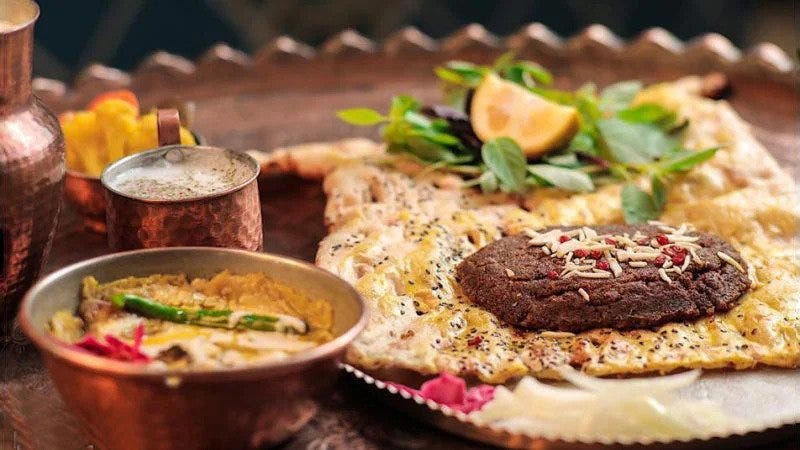
Saffron provides Persian food and desserts with beautiful colours and pleasant aromas, making it a preferred spice in Persian cooking. Iranians use saffron in tea, kebabs, stews, and sweets. It is also commonly used in shole zard, a Persian rice pudding served during ceremonial gatherings. Additionally, saffron is sometimes used to colour handmade Persian rugs.
Iran is the likely birthplace of saffron, where it has been highly valued for its therapeutic properties. Saffron was traditionally consumed to increase libido, elevate mood, and improve memory. Below are the major health benefits of Iranian saffron:
Saffron contains a remarkable variety of plant compounds. These include antioxidants—chemicals that protect your cells from oxidative stress and free-radical damage. Some notable antioxidants found in saffron are crocin, crocetin, safranal, and kaempferol.
A review of five studies found that saffron supplements significantly outperformed placebos in treating mild-to-moderate depression. Other research revealed that taking 30 mg of saffron daily was as effective as fluoxetine, citalopram, and imipramine—with fewer side effects.
Both the petals and stigmas of the saffron flower appear effective for treating mild-to-moderate depression. Although results are promising, larger human studies are needed before saffron can be recommended as an official treatment.
Saffron is abundant in antioxidants that help neutralize harmful free radicals, which are linked to chronic diseases such as cancer. Test-tube studies show that saffron and its compounds can selectively kill or inhibit the growth of colon cancer cells while sparing healthy cells. This effect has also been observed in cancer cells of the breast, cervix, lung, prostate, bone marrow, and other organs.
Additionally, crocin may make cancer cells more sensitive to chemotherapy drugs. While these findings are encouraging, more research is needed to fully understand saffron’s anticancer effects in humans.
Frequent snacking can lead to weight gain. Research suggests saffron may help reduce appetite and prevent overeating.
In an 8-week study, women who took saffron supplements lost more weight, felt fuller, and snacked less than those given a placebo.
Another 8-week study showed that taking saffron extract significantly reduced appetite, BMI, waist circumference, and total body fat. While the mechanism is unclear, one theory is that saffron improves mood, reducing emotional eating.
According to studies, saffron may reduce symptoms of PMS. A daily dose of 30 mg of saffron was more effective than a placebo in relieving symptoms such as irritability, headaches, food cravings, and discomfort in women aged 20–45. Another study showed that inhaling saffron aroma for 20 minutes significantly reduced PMS-related anxiety and lowered cortisol levels.
Saffron has been associated with several additional potential health benefits, including:
Saffron generally has few or no adverse side effects when consumed in normal culinary amounts. Up to 1.5 grams per day is safe for supplementation, but just 30 mg daily is enough to experience health benefits.
However:
Always consult a medical expert before using saffron supplements
Saffron cannot be grown in warm, consistently sunny locations. It requires regions with large temperature variations between day and night. This is why Iran’s Razavi Khorasan and South Khorasan provinces offer ideal conditions.
The harvest season lasts only a few weeks, beginning around November 1st. The season begins when purple blossoms cover the fields in eastern Iran’s Fars Province. Because saffron flowers bloom before sunrise, farmers arrive at the farms early and begin carefully hand-picking the flowers at dawn. The stigmas are then removed and placed in a cool, shaded location.
Many people visit saffron farms in Iran in November to witness this captivating process and even participate in harvesting.
The best Iranian saffron comes in four standard varieties:
Super Negin Saffron
The finest grade—large, long, and entirely red strands.
Negin Saffron
The second-best quality, made from the reddest and most delicate part of the stigmas.
Sargol Saffron
Consists entirely of short red threads from the top of the stigma.
Pushal Saffron
Contains mostly red threads with some yellow parts. The yellow colour is natural and results from drying.
As noted earlier, saffron is one of the most expensive spices in the world. Approximately 190,000–280,000 blossoms are required to produce just 1 kg of dried saffron.
In 2023, the price of 1 kg of Iranian saffron ranged between US$ 800 and US$ 1500 globally. In Iran, however, prices are lower due to high supply and low labour costs.
Earlier, we discussed why Iranian saffron is the highest-quality saffron in the world. Iran produces nearly 95% of global saffron and exports it to 40 countries, including Spain, China, India, Hong Kong, Italy, and the UAE. Many countries even repackage Iranian saffron under their own brands.
Spain and Kashmir are Iran’s main competitors. Below is a comparison.
Both Iranian and Kashmiri saffron are high-quality and prized, though Kashmir’s saffron often has slightly wider stigma heads. Both offer strong colour and aroma.
Iranian farmers, however, have centuries of experience growing saffron and handling droughts and heavy rains. Iran produces between 80–95% of the world’s saffron.
Kashmir has faced problems such as:
Iranian saffron is similar in quality but costs significantly less at the source. India imposes heavy taxes on Iranian saffron to protect its Kashmiri market.
Completely red or dark-red saffron indicates high crocin content, which gives its colouring power. Spanish saffron is lighter and brighter because its production requires extensive manual labour and differs in processing.
Spanish saffron usually has shorter, curlier stigmas, while Persian saffron has long, thick, flat stigmas. Spain produces roughly 1 tonne of saffron annually but exports around 100 tonnes, meaning most “Spanish saffron” sold worldwide is repackaged Iranian saffron.
Purchasing Iranian saffron ensures you are buying pure, high-quality saffron from the world’s main producer.
Saffron does not technically expire, but like other spices, it loses flavour and aroma over time if not stored properly. For optimal quality, store saffron in an airtight container in a cool, dark place for up to six months. It is sensitive to light; wrapping the container in foil offers extra protection.
Saffron will not spoil, but its flavour diminishes as it ages.
Saffron is grown in the United States, but most of the global supply comes from countries such as Kashmir, Afghanistan, and Iran. Although Iran is the largest producer, U.S. sanctions restrict direct imports.
However, you can still buy Iranian saffron in the U.S. through intermediaries, Iranian shops and restaurants, or online marketplaces like Amazon.
You can distinguish real saffron using the following methods:
Real saffron stigmas have a trumpet-shaped end and narrow toward the base. They are deep crimson in colour.
Real saffron smells sweet but does not taste sweet. A sweet taste indicates adulteration with honey or sugar. Authentic saffron has a slight bitterness.
Real saffron has a scent similar to a mix of honey and hay.
Place saffron in warm water:
When exposed to flame:
Iran is the homeland of saffron and supplies more than 90% of the world’s production. Iranian saffron is darker, more aromatic, and superior in quality to saffron from other regions. In this article, we explored its benefits, price, harvesting process, and methods to distinguish real saffron from fake. We hope this article was informative.